
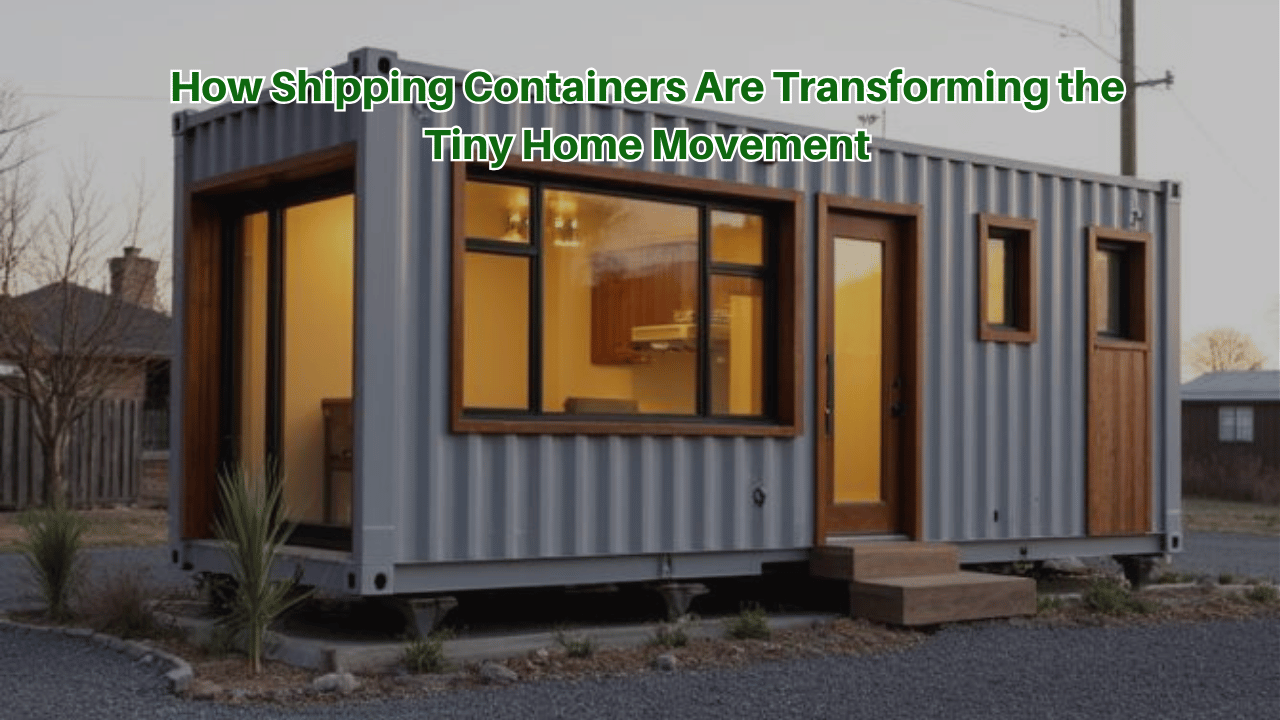
How Shipping Containers Are Transforming the Tiny Home Movement
Shipping containers are standardized steel boxes built for transport, yet they’re increasingly becoming the foundation for small, durable homes. In simple terms, they offer a ready-made “frame” you can convert into living space, often with less material waste than starting from scratch.
In practice, this is why they’ve become so popular with tiny home builders and budget-conscious homeowners: you’re working with a structure that’s already strong, stackable, and designed to handle harsh conditions. A common mistake, though, is assuming every container is instantly “move-in ready.” Most projects require insulation, vapor control, electrical planning, and ventilation, especially if you want comfort in both summer heat and winter cold. Many buyers also find the appeal in the lifestyle shift. Compared to a traditional stick-built home, container tiny homes feel more “portable” (or at least more feasible to reposition), and the build timeline can be shorter when permits and design choices are lined up early.
The practical advantages people notice first
Shipping containers tend to stand out for:
- Affordability and availability in many regions (especially when sourced from reputable suppliers)
- Strength and longevity due to industrial-grade steel
- Flexible layouts that can be tailored, either a single-unit cabin or a multi-container configuration
Real-World Impact: What Changes When You Build Tiny with Containers
 The tiny home movement is about more than square footage, it’s about reducing costs and living intentionally. Containers help accelerate that goal because they create a clear path from idea to structure.
For example, imagine a couple relocating for a new job and wanting a small base near the city but not to buy a full-sized home. With a container conversion, they can design a compact kitchen, a sleeping loft, and a work nook without paying for an entire traditional footprint. In a rural example, a builder may choose the same approach for a weekend retreat, because the steel shell can resist weather extremes better than many lightweight builds during the early stages.
Actionable tips before you commit
If you’re considering a container tiny home, these steps reduce costly surprises:
First, verify condition and history. Containers can have rust, prior cargo residue, or flooring damage. Choose a supplier that provides inspections and documentation.
Second, plan for climate control early. Steel conducts heat and cold fast. A comfortable tiny space typically needs proper insulation and a moisture strategy (otherwise you’ll fight condensation).
Third, check local rules and permitting. This is where projects often stall. Some areas treat container homes differently from standard dwellings, and inspections may require specific electrical, plumbing, and fire-safety standards.
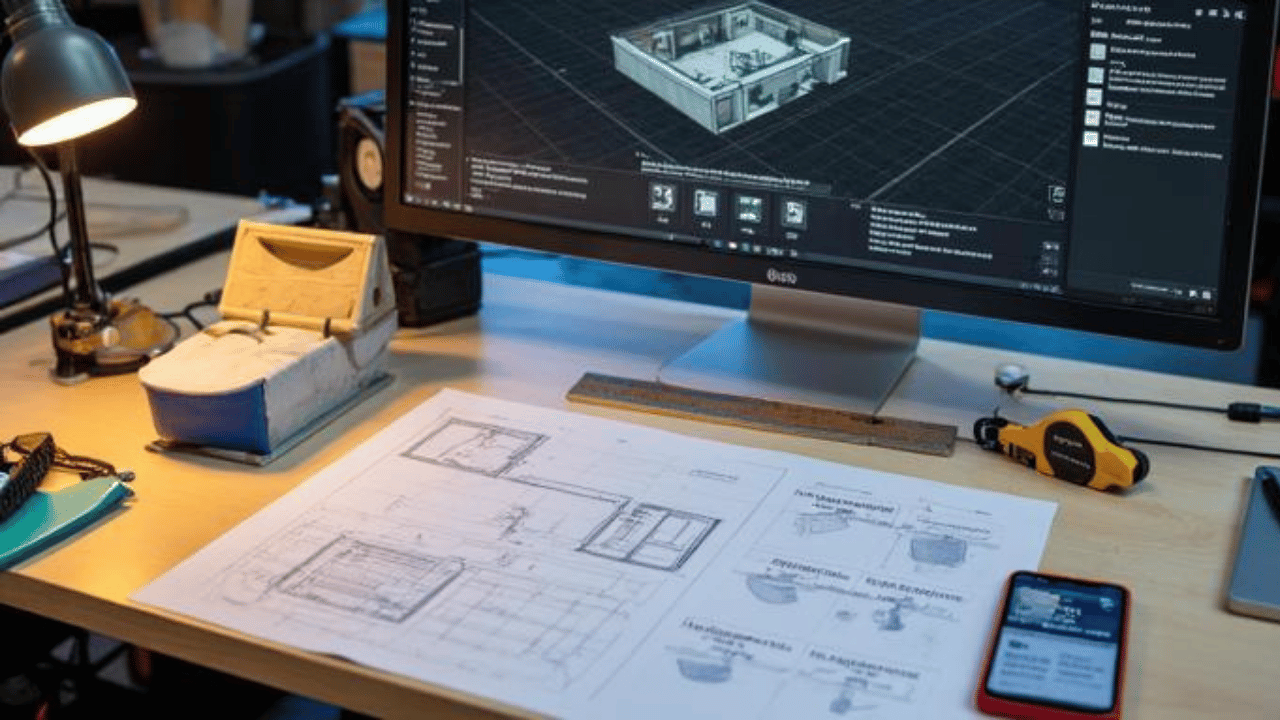
Finally, use design and budgeting tools to stay realistic. For instance, a simple estimating spreadsheet plus a 3D modeling app can help you map storage, door placement, and ventilation paths before you order materials. (Note: shipping container conversions are also commonly compared to modular building systems, both aim for faster, more predictable construction, though containers are often more DIY-friendly in style and branding.)
FAQs: Shipping Containers and Tiny Home Conversion
Are shipping container homes actually affordable?
They can be, but affordability depends on sourcing, site prep, and finishing choices. The container may be a good deal, yet insulation, windows, plumbing, and electrical work often determine the final cost. In practice, budgeting for “comfort and code,” not just the steel shell, is the key to staying on track.
What’s the biggest challenge in converting a container into a tiny home?
Climate performance and moisture control. Steel walls need insulation and careful ventilation to prevent condensation. A common mistake is rushing to drywall without addressing vapor barriers and airflow. Getting this right early protects the structure and keeps the interior livable.


About author










Add comment