
Restaurants in Shipping Containers: A Smart, Modern Dining Concept
A Smart Concept
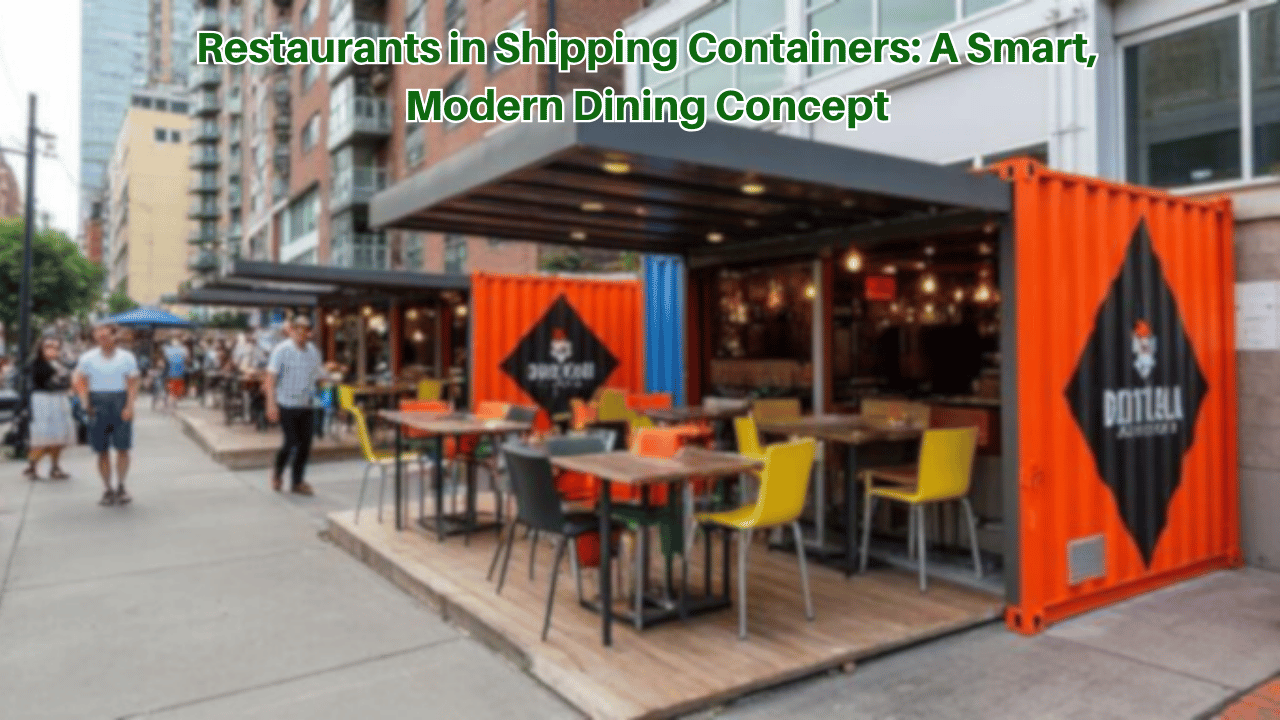
Restaurants in shipping containers are dining spaces built using repurposed steel cargo containers instead of traditional brick-and-mortar structures. In simple terms, they turn a box that once carried goods across oceans into a fully functional kitchen and dining area.
In practice, this concept works because containers are durable, modular, and easy to adapt. You can start with a single unit for a coffee bar or stack several containers to create a multi-level restaurant. A common mistake is assuming they feel cramped, but smart layout planning, large window cutouts, and outdoor seating can make them feel surprisingly open and inviting.
You’ll often see these restaurants in urban areas, food parks, or coastal towns where speed of construction and flexibility matter. Compared to a traditional build, setup times are shorter, and the visual impact is much stronger, customers instantly remember the place.
Real-Life Examples Across the USA
 Successful container-based dining spots
 Successful container-based dining spots
Across the country, entrepreneurs are proving this model works.
- Boxpark (Los Angeles, CA)
A pop-up dining and retail hub made entirely from containers. It rotates chefs and concepts, creating urgency and repeat visits. - The Chicken Box (Houston, TX)
A compact fried chicken restaurant that thrives on takeout and delivery, using smart interior layout and Square POS for fast order processing. - Stacked STL (St. Louis, MO)
A multi-level container food hall offering diverse cuisines in a small footprint, great proof that stacking containers can maximize urban space.
These examples show how container restaurants adapt well to food halls, parking lots, breweries, and high-traffic event zones.
What makes these concepts work
- Clear branding visible from a distance
- Menus designed for small kitchens
- Outdoor seating to expand capacity affordably
Why Choose This Model? Benefits, Challenges, and Practical Tips
 Choosing this format is not just about aesthetics; it’s also a business decision.
Key Benefits
- Lower startup costs compared to conventional construction.
- Faster installation, often completed in weeks instead of months.
- Eco-friendly appeal, since containers are reused rather than discarded.
- Design flexibility, allowing relocation or expansion if the business grows.
That said, there are challenges. A frequent oversight is underestimating insulation and ventilation needs. Steel heats up quickly, so proper climate control is essential for both staff and customers.
Practical Tips
- Check local regulations early: zoning and health codes vary by city.
- Work with experienced designers: tools like SketchUp help visualize layouts before cutting steel.
- Plan utilities carefully: water, electricity, and drainage need precise coordination.
- Think about customer flow: ordering, waiting, and seating should feel natural, not forced.
Real-life examples show that successful owners treat the container as a shell, investing more in interior comfort and branding than in the structure itself. This is where many first-time operators go wrong.
FAQ: Common Questions About Container-Based Dining Concepts
Are these restaurants suitable for all climates?
Yes, but only with proper preparation. With quality insulation, HVAC systems, and shading solutions, they can operate comfortably in both hot and cold environments.
Can a shipping container restaurant be relocated later?
Absolutely. One major advantage is mobility. If the land lease ends or foot traffic shifts, the entire setup can be moved, which is far harder with traditional buildings.
By understanding both the opportunities and limitations, restaurants in shipping containers can be a practical, eye-catching, and profitable solution for modern food entrepreneurs.

About author




Add comment