
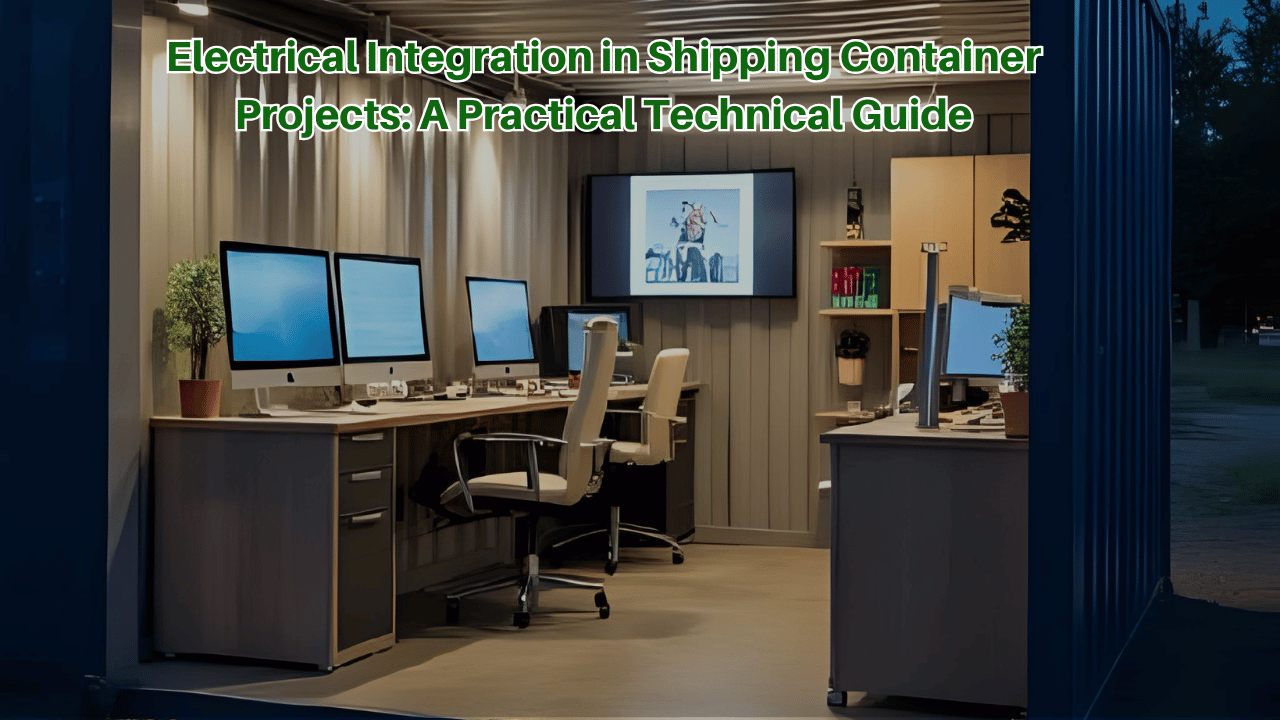
Electrical Integration in Shipping Container Projects: A Practical Technical Guide
Understanding Electrical Integration in Container Builds
Electrical integration in shipping container projects refers to the process of safely and efficiently installing electrical systems—such as wiring, outlets, lighting, and circuit panels—within modified shipping containers. These projects might include container homes, pop-up retail units, or portable offices.
In practice, turning a steel container into a fully functional space requires thoughtful electrical planning. The container’s metal structure acts as both a protective shell and a potential conductor, so improperly installed wiring can create serious safety hazards. A common mistake is underestimating the importance of grounding and insulation. Both are crucial to ensure performance and safety.
When planning your project, start with a thorough electrical layout. Identify power demands, device placement, and the route for wiring conduits before any wall linings or insulation go in. Using tools like AutoCAD Electrical or SketchUp helps visualize the design and spot potential conflicts.
Designing and Installing the Electrical System
 Proper design ensures that your container project meets both functional and code requirements. Below are the essential components and best practices to consider.
1. Power Sources and Distribution
Decide whether your container will connect to the grid, use solar power, or rely on generators. Each option affects circuit design and grounding requirements.
- Grid connection: Suitable for permanent structures; must comply with local building codes.
- Solar setup: Ideal for off-grid or mobile units; requires space for batteries and charge controllers.
- Hybrid systems: Combine both for flexibility and backup reliability.
2. Wiring and Conduits
Because container walls are metal, wiring must be protected against abrasion and heat. Use non-metallic conduit (PVC) or armored cable (MC) rated for metal enclosures.
Key steps:
- Mark the wiring routes before internal framing begins.
- Drill precise openings with rubber grommets to prevent cable damage.
- Always bond all metallic sections and install a grounding rod for safety.
3. Lighting and Load Considerations
Opt for energy-efficient LED fixtures that produce minimal heat—crucial in enclosed spaces. Calculate total load to size breakers correctly, allowing a 20% buffer for future expansion.
In practice, it’s smart to separate lighting and outlet circuits. This prevents a total blackout if a single breaker trips.
4. Compliance and Inspection
Electrical systems in container projects must meet National Electrical Code (NEC) or equivalent local standards. Always request inspection before sealing walls or applying finishes. Missing this step can result in costly rework later.
Testing, Safety, and Maintenance
 Regular Testing
 Regular Testing
Once installation is complete, perform a continuity test and insulation resistance test to confirm wiring integrity. These ensure there’s no leakage current that could pose a shock risk.
Safety Upgrades
- Install ground-fault circuit interrupters (GFCIs) in all damp or outdoor areas.
- Label all circuits clearly within the distribution board.
- Consider surge protection to safeguard sensitive electronics.
Ongoing Maintenance
Just like any building, container-based electrical systems need periodic inspection. Check for:
- Loose connections due to vibration or shifting.
- Corrosion around penetrations.
- Overloaded circuits as usage patterns evolve.
FAQs of Electrical Integration in Shipping Container Projects
Can I install electrical systems in a shipping container myself?
Only if you’re certified or working under licensed supervision. DIY electrical work can lead to safety risks or failed inspections. Always comply with local regulations.
What’s the biggest challenge in container electrical integration?
The metallic structure. It acts as a conductor, so grounding and insulation are critical. Proper planning and professional input minimize these challenges while ensuring long-term reliability.
Conclusion:
Electrical integration in shipping container projects demands careful design, compliance, and execution. When done right, it transforms a simple steel box into a safe, functional, and energy-efficient space—ready for modern living or business operations.


About author








Add comment