
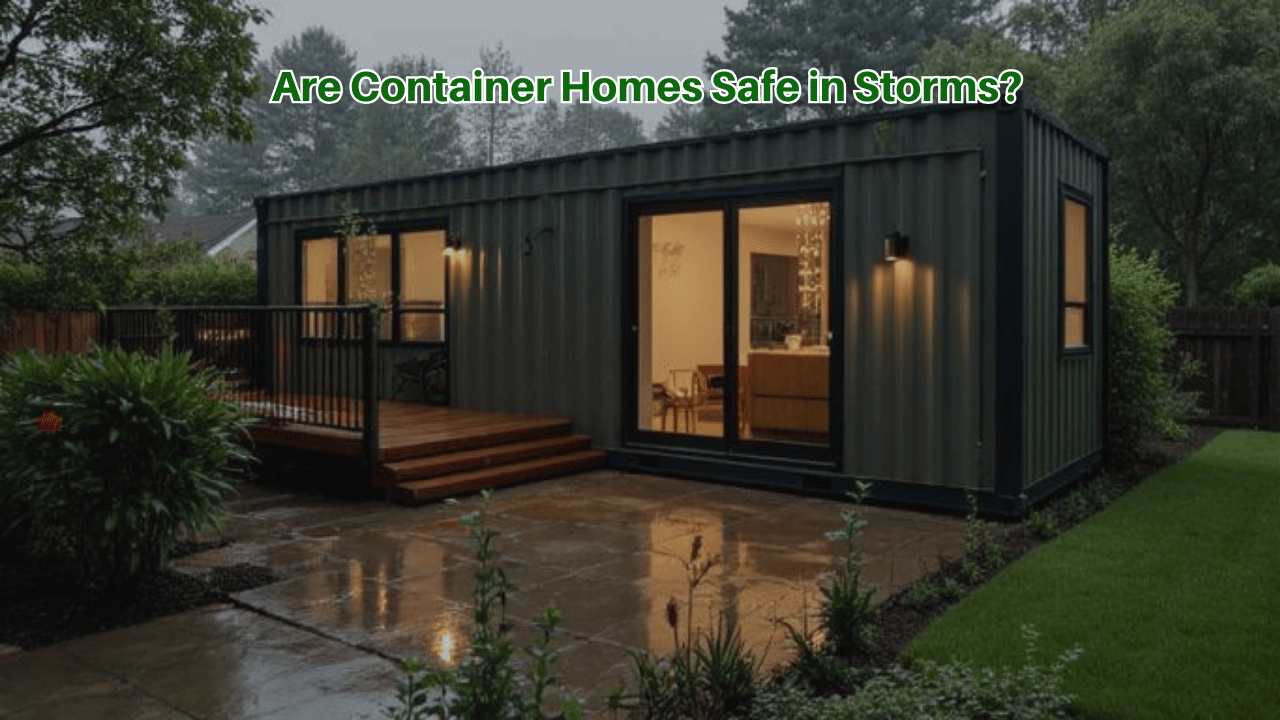
Are Container Homes Safe in Storms?
Understanding the Basics of Storm Safety
Are container homes safe in storms? In simple terms, yes, when they’re designed and built correctly. These homes are made from steel shipping containers originally engineered to survive harsh ocean conditions, heavy loads, and extreme weather. In practice, that strength can translate into impressive storm resistance on land.
A common mistake is assuming that a container dropped on a plot of land is automatically storm-proof. Safety depends on how the home is anchored, reinforced, and adapted to local weather risks. Think of it like a car: a strong frame helps, but seatbelts and airbags matter just as much.
Why the structure matters
- Steel walls resist high winds better than traditional wood framing.
- Containers are rigid, reducing the risk of twisting during storms.
- When properly anchored, they can outperform many conventional homes.
I’ve seen shipping container homes in coastal areas remain intact after severe wind events, while nearby older houses lost roofs or siding. The difference wasn’t luck, it was engineering.
How Container Homes Perform in Different Storms
 Wind, Hurricanes, and Tornadoes
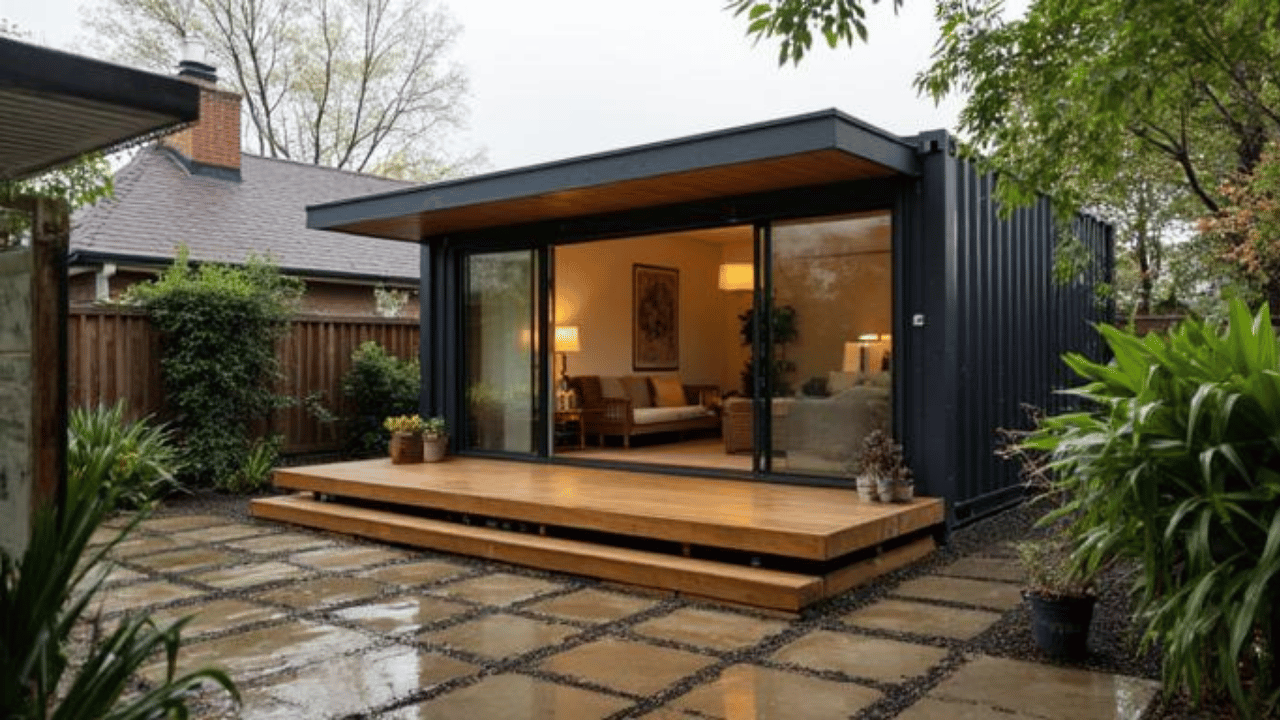 Wind, Hurricanes, and Tornadoes
High winds are the biggest concern for most homeowners. Containers handle wind well, but only if they’re secured to a proper foundation.
In practice, builders focus on:
- Reinforced concrete footings or slabs
- Steel anchoring systems rated for local wind loads
- Roof reinforcements to prevent uplift
Using tools like FEMA wind zone maps or wind load calculation software helps determine the right anchoring system. Skipping this step is another common mistake.
Heavy Rain and Flooding
Steel doesn’t rot, but flooding can still be an issue. Elevated foundations and proper drainage are key. Raising the home even a few feet can dramatically reduce flood risk, similar to how beach houses are built on stilts.
Snow and Hail
In colder climates, roof design matters more than wall strength. Sloped roofs and added insulation prevent snow buildup and reduce stress on the structure. Hail rarely damages steel walls, which is a major advantage over vinyl or wood siding.
One homeowner I worked with added a simple pitched roof over their flat container roof—an affordable upgrade that paid off during heavy snowstorms.
Practical Tips and FAQs
How to Make a Container Home Safer in Storms
- Hire an engineer familiar with local building codes.
- Choose a foundation designed for your region’s worst-case weather.
- Add storm-rated windows and doors.
- Don’t cut large wall openings without reinforcement.
These steps are what separate a resilient home from a risky experiment, especially with container houses in storm-prone regions.
Frequently Asked Questions
Are container homes safer than traditional houses in storms?
Often, yes. When engineered correctly, their steel structure and solid anchoring can outperform many wood-framed homes in high winds.
Can a container home survive a hurricane?
Yes, if it’s designed for hurricane conditions. Proper anchoring, reinforced roofs, and storm-rated openings make a critical difference.
If you’re considering this type of home, storm safety isn’t a gamble, it’s a design choice.


About author









Add comment